Adzimah, M. (2024). Experiential Marketing Strategy in the Boarding School Education Ecosystem as an Effort to Increase the Loyalty of Student Guardians at Islamic Boarding Schools. Educazione: Journal of Education and Learning, 1(2), 78–86.
Ahinful, A. A., Opoku Mensah, A., Koomson, S., Nyarko, F. K., & Nkrumah, E. (2024). A Conceptual Framework of Total Quality Management on Innovation Performance in the Banking Sector. The TQM Journal, 36(4), 1193–1211. https://doi.org/10.1108/TQM-11-2022-0334
Ahyani, H., & Figueiredo, A. J. P. (2024). Integrating Shariah Principles in Modern Family and Economic Life for Social Well-Being and Justice. Munakahat, 1(1), 94–107.
Albustomi, A. Y. (2025). Mentoring the Implementation of Learning Management System in Realizing Islamic Smart School. Communautaire: Journal of Community Service, 4(1), 95–105. https://doi.org/10.61987/communautaire.v4i1.1032
Amanda, E., Wicaksana, S. A., & Hanifah, R. I. (2024). The Impact of Psychological Empowerment on Workforce Agility in Organization X. European Journal of Business and Management Research, 9(2), 66–69. https://doi.org/10.24018/ejbmr.2024.9.2.2296
Arifani, Y., & Zhou, Q. (2026). Entrepreneurial Intentions of Vocational College Students: The Role of Innovation Education and Initiative Personality. Indonesian Journal of Progressive Pedagogy, 2(1), 11-27.
Asni, A. (2025). The Role of POAC Management Functions in Enhancing the Quality of Counseling Guidance Services for Students in Schools in Indonesia. Jurnal Konseling dan Pendidikan, 13(1), 89–101. https://doi.org/10.29210/1138100
Burhanuddin, B., Ben, F., Supriyanto, A., Sunandar, A., Sunarni, S., & Sumarsono, R. B. (2024). Effects of University Organizational Culture on Student Academic Behavior in Indonesia. International Journal of Educational Management, 38(2), 549–567. https://doi.org/10.1108/IJEM-11-2023-0553
Donkoh, S., & Mensah, J. (2023). Application of Triangulation in Qualitative Research. Journal of Applied Biotechnology and Bioengineering, 10(1), 6–9. https://doi.org/10.15406/jabb.2023.10.00319
Fahmi, J. (2024). Case Study Research in the Digital Age. The Qualitative Report, 29(8), 2210–2213. https://doi.org/10.46743/2160-3715/2024.7563
Gede, D. U., & Huluka, A. T. (2023). The Impact of Strategic Alignment on Organizational Performance: The Case of Ethiopian Universities. Cogent Business & Management, 10(2), Article 2247873. https://doi.org/10.1080/23311975.2023.2247873
He, L., Feng, L., & Ding, J. (2024). The Relationship Between Perceived Teacher Emotional Support, Online Academic Burnout, Academic Self-Efficacy, and Online English Academic Engagement of Chinese EFL Learners. Sustainability, 16(13), Article 5542. https://doi.org/10.3390/su16135542
Hessen, B. T. E., Hewary, O. A., & Fileen, N. G. (2026). The Impact of AI-based Blended Learning on Learning Achievement among Second-year Physics Students at the College of Education. Indonesian Journal of Progressive Pedagogy, 2(1), 28-42.
Hikmah, U., & Mudarris, B. (2026). A Strategic Plan for High Quality and Effective Madrasah Management in Realized Quality Superior Education. Journal of Education Management and Policy, 2(1), 39–49.
Holidi, M. (2026). Value-Based Employee Relationship Management for Professional Integrity in Madrasah Education. Islamic Management: Jurnal Manajemen Pendidikan Islam, 9(1), 331–344.
Ilhamni, I., Meirison, M., & Nazar, Z. (2022). Islamic Political Thought and Its Implementation in the Contemporary World. Islamadina: Jurnal Pemikiran Islam, 23(1), 47. https://doi.org/10.30595/islamadina.v23i1.10715
Imansyah, M. A., Hadiati, E., Fauzan, A., & Dermawan, O. (2025). Leadership in Environmental Education: The Role of Madrasah Principals in Madrasah. Indonesian Journal of Education and Social Studies, 4(2), 217-232.
Khofsah, S. (2025). Management of the Habit of Reading the Qur'an as an Effective Memorization Strategy for Tahfidz Class Students at Madrasahs. Journal of Education Management and Policy, 1(3), 198–207.
Khoiroh, U., Hani, U., & Iman, D. Z. (2025). Public Policy Analysis: How Mutual Public Relations Support Equitable Access to Education. JIM: Jurnal Ilmu Multidisiplin, 1(2), 1–12.
Khomairohtusshiyamah, U., Sa’diyah, H., Firdausiah, R. J., Adzimah, M., Hasanah, S. A., Sanjani, M. A. F., & Sain, Z. H. (2025). Strategic Management of Inclusive Educational Leadership in Teacher Career Development. Early Childhood Development Gazette, 2(2), 62-71. https://doi.org/10.61987/gazette.v2i2.1468
Kusumawati, A. (2025). AI-Based Human Capital as a Catalyst for Increasing the Strategic Agility of Educational Organizations. International Journal of Multidisciplinary Research, 1(5), 239–245.
Kusumawati, I. (2026). Capacity Building for Tahfizh Instructors: Developing Structured Lesson Plans for Quality Al-Qur'an Education. Communautaire: Journal of Community Service, 5(1), 70–80. https://doi.org/10.61987/communautaire.v5i1.2277
Lyhne, C. N., Thisted, J., & Bjerrum, M. (2025). Qualitative Content Analysis: Framing the Analytical Process of Inductive Content Analysis to Develop a Sound Study Design. Quality & Quantity, 59(6), 5329–5349. https://doi.org/10.1007/s11135-025-02220-9
Manshur, U. (2026). Madrasah Vision Management Strategy in Realizing Superior Educational Quality. EDUCARE: Jurnal Ilmu Pendidikan, 5(1), 1–15.
Martani, E. (2023). Improving the Quality of Madrasah Education Through Madrasah Resource Management. Dawuh Guru: Jurnal Pendidikan MI/SD, 3(1), 25–38. https://doi.org/10.35878/guru.v3i1.481
Mohlas, M. (2025). The Role of Digital Video Content in Building Perception and Trust in Islamic Educational Institutions. Education and Sociedad Journal, 3(2), 33–45.
Ni'am, M. D. (2025). The Power of Word-of-Mouth: Understanding the Dynamics of Organic Marketing in Faith-Based Educational Institutions. AFKARINA: Jurnal Pendidikan Agama Islam, 10(1), 49–59. https://doi.org/10.33650/afkarina.v10i1.15096
Niedlich, S., Kallfaß, A., Pohle, S., & Bormann, I. (2021). A Comprehensive View of Trust in Education: Conclusions From a Systematic Literature Review. Review of Education, 9(1), 124–158. https://doi.org/10.1002/rev3.3239
Okoye, N. (2025). Ethical Leadership in Public Administration: Balancing Public Trust and Bureaucratic Efficiency in Nigeria. Nigerian Journal of Management Studies, 27(3), 144–161.
Oyeniran, S., Adedolapo, Y. M., Abubakar, Y. H., & Jimoh, T. B. (2024). Harnessing Performance Management to Elevate Lecturer Effectiveness in Nigerian Colleges. Indonesian Journal of Education and Social Studies, 3(2), 114–129. https://doi.org/10.33650/ijess.v3i2.9386
Rahman, M. (2026). Improving the Quality of Education in Madrasah Tsanawiyah Through Digital Technology-Based Strategic Management. JETech: Journal of Education and Technology, 2(1), 11–19.
Ridlo, M. H., & Yanti, L. S. (2023). Investigating the Holistic Management in Increasing Graduates' Competence in Madrasa Based on Pesantren. PEDAGOGIK: Jurnal Pendidikan, 10(2), 226–239. https://doi.org/10.33650/pjp.v10i2.7170
Salmona, M., & Kaczynski, D. (2024). Qualitative Data Analysis Strategies. In How to Conduct Qualitative Research in Finance (pp. 80–96). Edward Elgar Publishing. https://doi.org/10.4337/9781803927008.00012
Sari, K. W., & Adeoye, M. A. (2025). Creating New Spaces That Foster Students' Emotional Well-Being: Breakthrough Strategies in Curriculum Management Based on Mental Health. Nidhomul Haq: Jurnal Manajemen Pendidikan Islam, 10(1), 231–245. https://doi.org/10.31538/ndhq.v10i1.118
Shoha, S. I. (2026). Curriculum Renewal Management in Elementary Schools: A Case Study of the Implementation of the Independent Curriculum in Schools. Journal of Education Management and Policy, 2(1), 61–71.
Soim, S., Purwanto, E. S., & Haryanti, N. (2026). When Leadership and Climate Matter: Enhancing Teachers’ Work Ethic through Participative School Leadership. Indonesian Journal of Education and Social Studies, 5(1), 56-69.
Syafiih, M. (2025). The Future of Education in the Digital Era: Between Technological Innovation and Equitable Access. Proceeding of International Conference on Education, Society and Humanity, 3(1), 737–741.
Takona, J. P. (2024). Research Design: Qualitative, Quantitative, and Mixed Methods Approaches. Quality & Quantity, 58(1), 1011–1013. https://doi.org/10.1007/s11135-023-01798-2
Taufiqurrahman, M., Ridani, A., & Sudadi, S. (2025). Exploring the Impact of Madrasah Head's Leadership Style on Teacher Performance. Indonesian Journal of Education and Social Studies, 4(2), 180-193.
Tohet, M., & Nuraini, F. (2026). More Than Teaching Values: Teacher Exemplarity and Moral Formation Through the Figurative Learning Model. Indonesian Journal of Education and Social Studies, 5(1), 40–55. https://doi.org/10.33650/ijess.v5i1.13087
Ude, J. (2025). Analysing Conflict Resolution Strategies in Residential Life as Tools for Student Affairs Leadership Development and Campus Harmony. International Journal of Research Publication and Reviews, 6(7), 4761–4779. https://doi.org/10.55248/gengpi.6.0725.2623
Williamson, E. (2023). The Effectiveness of Project-Based Learning in Developing Critical Thinking Skills Among High School Students. European Journal of Education, 1(1), 1–11.
Yakubu, M. A., Sain, Z. H., Lawal, U. S., & Hakim, M. A. R. (2025). Student Perceptions of Artificial Intelligence as A Virtual Tutor and Its Relation to Self-Efficacy in Learning. Indonesian Journal of Progressive Pedagogy, 1(1), 1–11. https://doi.org/10.61987/ijpp.v1i1.631

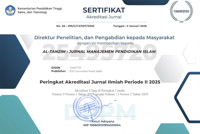








 (Universitas Islam Negeri Sumatera Utara)
  (Universitas Islam Negeri Sumatera Utara)
